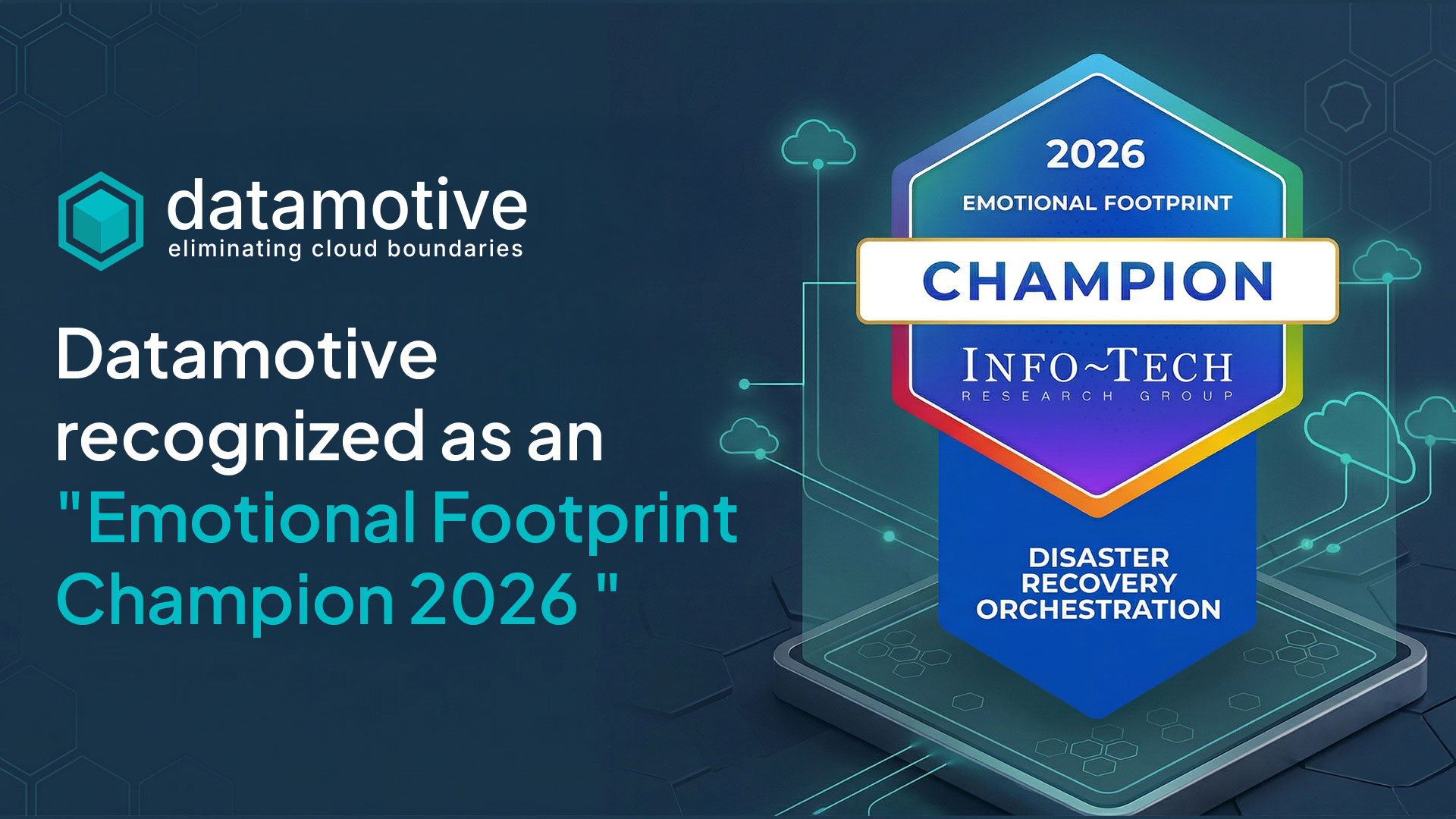
Datamotive recognized as an "Emotional Footprint Champion 2026 " in the Disaster Recovery Orchestration!
Regulators are no longer satisfied with backup claims alone. Modern compliance frameworks require organizations to demonstrate proven disaster recovery through tested failover, validated RTO/RPO objectives, and auditable recovery processes. This article explores why regulatory expectations are shifting from data retention to operational resilience and how enterprises must design recovery architectures that provide measurable, repeatable, and compliance-ready recovery outcomes.
Enterprises running Nutanix need disaster recovery strategies that go beyond platform dependency. This article explores how cloud-agnostic disaster recovery enables Nutanix workloads to recover predictably across hybrid and multi-cloud environments. Learn how automated failover and failback, compliance-ready validation, and hypervisor-agnostic orchestration help organizations protect business continuity without vendor lock-in or infrastructure symmetry constraints.
Today, resuming operations isn’t enough. True competitiveness depends on how seamlessly an enterprise can withstand, adapt to, and recover from disruption—without compromising business objectives. This evolution marks the shift from recovery to resilience: recovery gets you back up; resilience ensures you never truly fall.
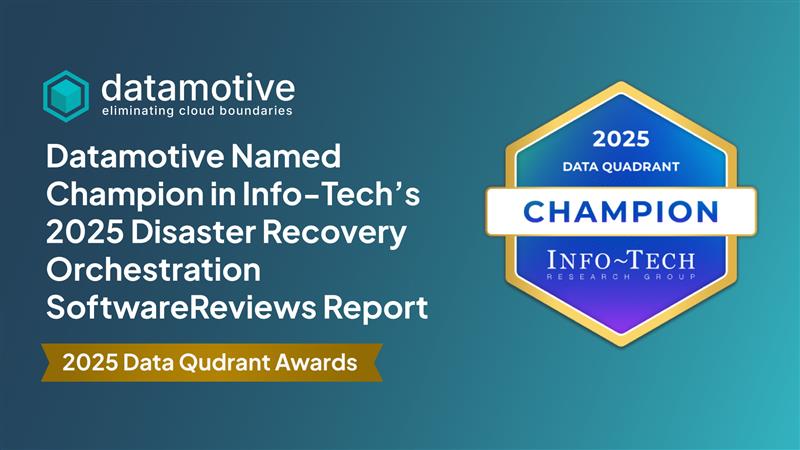
Datamotive has been recognized as a Champion in Info-Tech Research Group’s 2025 Disaster Recovery Orchestration SoftwareReviews Report. The rating is based on strong user feedback and top performance in areas like Ease of Implementation, Vendor Support, and Product Strategy. This recognition highlights Datamotive’s leadership in delivering predictable, automated, and cost-efficient disaster recovery across hybrid and multi-cloud environments. With a unified, agentless platform offering a guaranteed 10-minute SLA for failover and failback, Datamotive continues to help enterprises shift from backup-first to continuity-first strategies. The achievement follows a year of major product advancements in automation, recovery validation, and multi-cloud orchestration.
Failback fatigue is the hidden cost enterprises overlook in disaster recovery planning. As hybrid and multi-cloud adoption grows, challenges like licensing mismatches, data conflicts, and compliance risks make recovery unpredictable and expensive. Learn why traditional DR strategies fail to address failback and how enterprises can reduce downtime, control costs, and achieve predictable recovery outcomes in modern cloud environments.
Backups alone don’t protect enterprises from downtime. The real differentiator is recoverability — the ability to quickly and predictably restore workloads, applications, and compliance. Discover why “good enough” backup is a dangerous myth in today’s hybrid cloud and AI-driven IT landscape, and how forward-looking enterprises are shifting to recovery-first strategies that cut downtime, reduce costs, and safeguard brand trust.
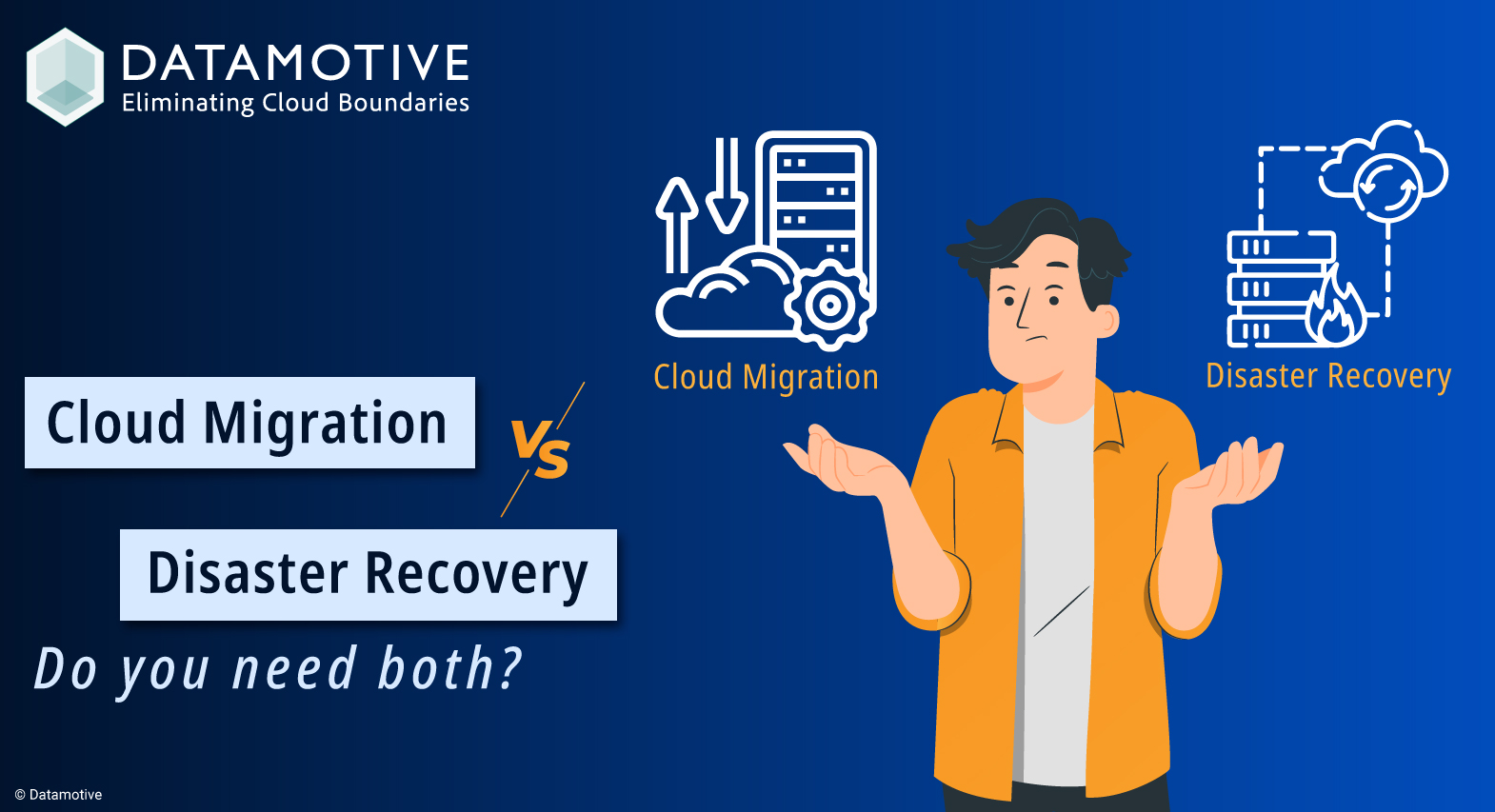
In today's digital landscape, businesses rely heavily on technology. Therefore, data security and operational continuity are the two most critical strategies that have to be adopted. While many consider Cloud Migration and Disaster Recovery (DR) as interchangeable, they serve two different purposes.
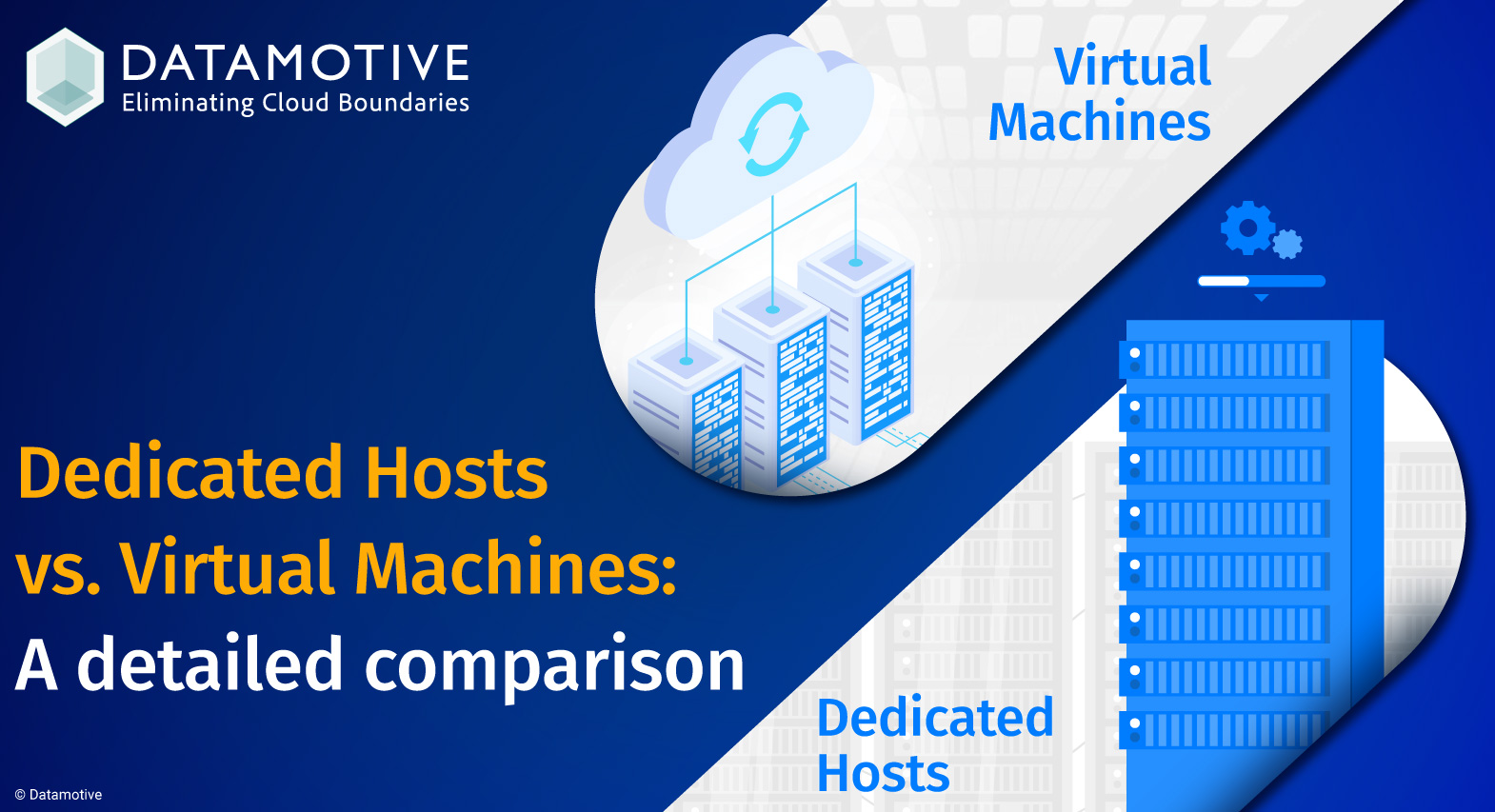
While choosing the right approach between dedicated hosts and virtual machines (VMs), businesses may face one of the biggest decisions while choosing to run applications in a cloud computing space. This is mainly because each type has specific advantages and disadvantages, so the right decision depends upon specific requirements and priorities.
A global outage on July 19, 2024, plunged Microsoft Windows users into disarray, with blue screens of death plaguing systems across the United States, India, Germany, Australia, the UK, and beyond. This unexpected shutdown, caused by a faulty CrowdStrike update, forced automatic restarts and shutdowns, disrupting businesses and individuals alike.